Unleashing Innovation Raise3D Printing Technologies
3D printing technology has rapidly evolved in recent years, transforming industries, healthcare, education, and consumer products. This innovative method of manufacturing allows us to create three-dimensional objects from digital files, opening doors to endless possibilities.
Introduction to 3D Printing Technology
What is 3D Printing?
3D printing, also known as additive manufacturing, is a process that builds three-dimensional objects layer by layer, based on a digital design. This revolutionary technology has its roots in the 1980s but has gained prominence in recent years.
How It All Began
The history of 3D printing dates back to the 1980s when Chuck Hull invented the first 3D printer, which he called the "stereolithography apparatus." Since then, the technology has advanced at an astonishing pace, becoming a game-changer in various fields.
How 3D Printing Works
The Basic Concept
At the core of 3D printing lies the principle of adding material layer by layer to create an object. This process, often referred to as additive manufacturing, has several key components.
Materials Used in 3D Printing
Different materials are used in 3D printing, including plastics, metals, ceramics, and even food. The choice of material depends on the specific application.
Types of 3D Printing Technologies
There are several 3D printing methods, such as Fused Deposition Modeling (FDM), Stereolithography (SLA), and Selective Laser Sintering (SLS), each with its unique characteristics.
Applications of 3D Printing
In Industries
3D printing has revolutionized manufacturing, enabling rapid prototyping and reducing production costs. Industries use it for creating prototypes, custom parts, and even final products.
In Healthcare
The medical field benefits from 3D printing for personalized prosthetics, dental implants, and drug delivery systems. It has saved lives and improved the quality of patient care.
In Education
3D printing in education enhances STEM learning, encouraging students to think creatively and solve real-world problems. It also provides access to rare artifacts for historical study.
In Consumer Products
3D printing allows consumers to customize and design their products, from jewelry to home decor. It's a game-changer in the world of personalized items.
Advantages of 3D Printing
Speed and Cost-Efficiency
3D printing accelerates the manufacturing process and reduces costs compared to traditional methods.
Customization and Design Freedom
The technology offers unparalleled design freedom, enabling complex and intricate structures.
Waste Reduction and Sustainability
3D printing minimizes waste as it uses only the necessary materials. It's a more sustainable approach to manufacturing.
Challenges and Limitations
Material Constraints
Some industries face challenges related to the limited availability of suitable materials for 3D printing.
Quality Control
Ensuring product reliability and quality is essential in industries where safety is paramount.
Intellectual Property Concerns
The open-source nature of 3D printing can pose challenges in protecting intellectual property.
Future Trends in 3D Printing
Emerging Technologies
The future promises exciting advancements, including 4D printing and bioprinting for creating human tissues.
Potential Impact on Various Sectors
From aerospace to fashion, 3D printing will continue to disrupt and innovate across various sectors.
The Role of 3D Printing in Prototyping
Rapid Prototyping
3D printing accelerates prototyping, reducing the time and cost of product development.
Design Iteration
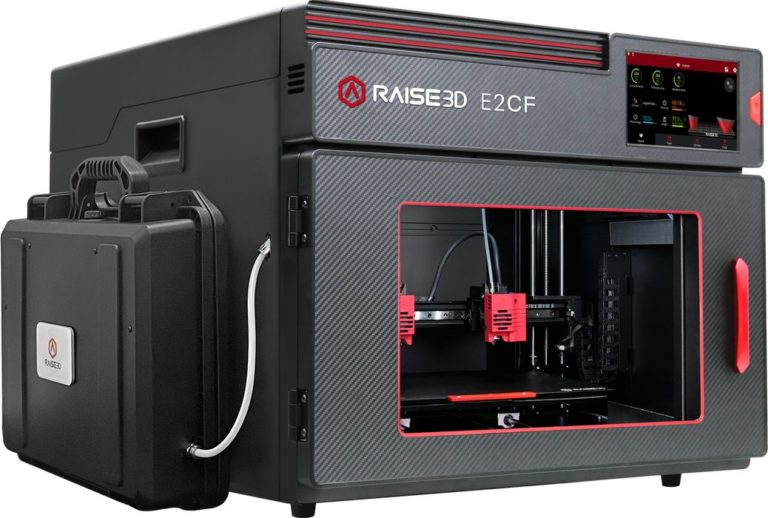
Iterative design becomes more accessible, fostering innovation and problem-solving.
Product Development
From concept to production, 3D printing streamlines the entire product development process.
3D Printing in Raise3D Technologies Healthcare
Patient-Specific Implants
Customized implants improve patient outcomes and reduce recovery times.
Drug Delivery Systems
Tailored drug delivery systems enhance the effectiveness of medications.
Prosthetics and Orthotics
3D printing provides affordable and personalized solutions for people with limb differences.
3D Printing in the Aerospace Industry
Aircraft Components
The aerospace industry benefits from lightweight and strong 3D-printed components.
Space Exploration
3D printing has the potential to revolutionize space missions with on-demand part production.
Reduced Weight and Fuel Efficiency
Lighter components contribute to fuel efficiency and reduced emissions in aviation.
3D Printing in Education
Enhancing STEM Wikipedia Here Learning
3D printing stimulates student interest in science, technology, engineering, and mathematics.
Encouraging Creativity
Students can bring their ideas to life, fostering Our Blog innovation from an early age.
Access to Rare Artifacts for Study
3D printing provides the educational sector with tools to study historical artifacts in detail.
Environmental Impact of 3D Printing
Sustainability and Waste Reduction
Reducing material waste and energy consumption contributes to a greener planet.
Energy Consumption
Efforts are ongoing to make 3D printing more energy-efficient and eco-friendly.
Recycling and Eco-Friendly Materials
The industry is moving toward sustainable practices and materials.
Quality Control in 3D Printing
Monitoring and Inspection Techniques
Advanced monitoring and inspection ensure product quality and safety.
Ensuring Product Reliability
Reliable products are crucial, especially in sectors like aerospace and healthcare.
Avoiding Defects and Errors
Implementing quality control measures helps reduce defects and errors in production.
Intellectual Property Issues
Copyright and Patent Concerns
Legal frameworks must adapt to protect intellectual property in the world of 3D printing.
Open-Source 3D Printing
The open-source movement challenges traditional copyright norms.
Legal Challenges
Navigating the legal landscape of 3D printing is an ongoing issue for many.
3D Printing and the Automotive Industry
Prototyping and Concept Cars
Automakers use 3D printing for rapid prototyping and concept car development.
Spare Parts Production
Producing spare parts on-demand reduces inventory costs and improves accessibility.
Personalized Vehicle Components
Customization options are expanding, allowing consumers to personalize their vehicles.
Conclusion
In conclusion, 3D printing technology has revolutionized the way we manufacture, design, and innovate. Its applications span across industries, healthcare, education, and consumer products, offering unique advantages like cost-efficiency and waste reduction. As the technology continues to evolve, we can expect more innovative solutions and sustainable practices, despite facing challenges in material constraints and intellectual property concerns.
To explore the limitless possibilities of 3D printing, consider embracing this transformative technology in your endeavors.
FAQs
1. Is 3D printing the same as traditional manufacturing?
No, 3D printing is an additive manufacturing process that builds objects layer by layer, while traditional manufacturing typically involves subtracting material to create objects.
2. How does 3D printing benefit the healthcare sector?
3D printing allows for the creation of personalized implants, prosthetics, and drug delivery systems, improving patient outcomes and care.
3. What materials can be used in 3D printing?
Materials used in 3D printing include plastics, metals, ceramics, and even food, depending on the application.
4. Are there any environmental concerns with 3D printing?
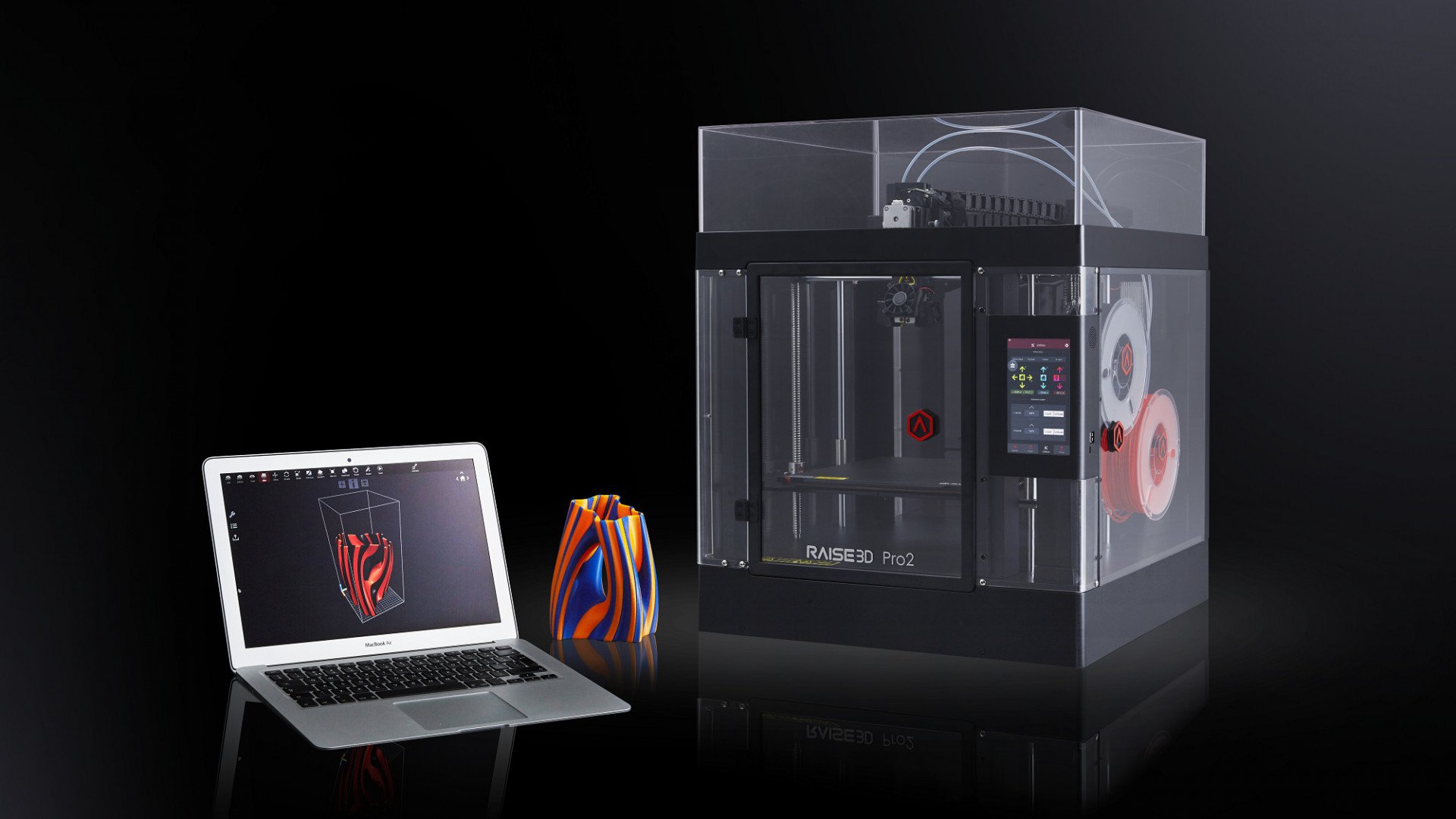
While 3D printing reduces material waste, energy consumption is a concern, and efforts are being made to make the process more sustainable.
5. Can I 3D print copyrighted or patented items for personal use?
The legality of 3D printing copyrighted or patented items for personal use varies by jurisdiction. It's essential to be aware of the laws in your area to avoid legal issues.
Comments
Post a Comment